

























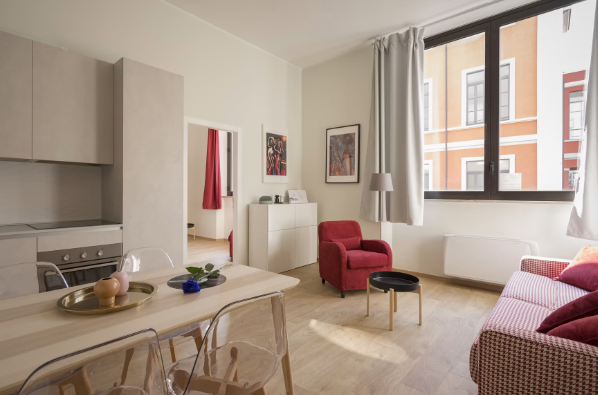
Statistics from regional opinion polls keep pointing to the same headline: soaring housing costs have eclipsed unemployment, mobility, and even healthcare as Gipuzkoa’s main public worry. Monthly rent for a modest, two-room flat in Donostia-San Sebastián already matches salaries in many service-sector roles, and available listings disappear within hours. Home seekers stand in line for viewings that never reach the advertised start time because agreements are struck at the door.
Digital discussion boards, neighborhood WhatsApp circles, and community platforms such as tower rush app overflow with urgent posts asking where a family can live without sacrificing half its income. Conversations once focused on restaurant openings and surf forecasts; now the feed scrolls past nonstop alerts about upcoming landlord meetings and shared-room offers priced higher than entire country cottages just a decade ago.
Root Causes Converging on a Small Coastal Province
Economic prosperity in Gipuzkoa traditionally rides on specialized industry, tourism, and strong public services. A stable job market attracts graduates from across the Basque Country, while international tech companies set up satellite teams beside the Bay of Biscay. Demand piles up against a fixed coastline, rugged hillsides, and strict environmental regulations that limit sprawl. Construction cranes dot the skyline, yet square-meter output still lags far behind the wave of newcomers.
Regional tax incentives favor short-stay tourist apartments, shrinking the year-round rental pool. Mortgage rules introduced after the 2008 crisis lengthen saving periods for deposits, pushing young professionals into longer rental cycles. At the same time, interest from remote workers searches for picturesque towns with fast fiber, further intensifying competition.
Key Forces Driving Up Prices
- Destination Branding Success
Global travel magazines repeatedly place San Sebastián in top-ten city lists, lifting short-term demand each summer and autumn festival season. - Slow Zoning Adjustments
Municipal plans update every six to eight years, far slower than modern relocation patterns, locking new projects behind long approval queues. - Limited Brownfield Redevelopment
Old industrial plots suitable for housing require complex soil remediation, delaying openings that could ease pressure inside urban cores. - Equity-Rich Investor Purchases
Mid-sized portfolios buy multiple flats per block, renovate lightly, then list at premium rates, knowing waiting lists remain long. - Cultural Preference for Ownership
Households traditionally aim for purchasing over renting, tightening supply as soon as savings accumulate, despite higher mortgage barriers.
Social Ripple Effects Reach Far Beyond Rent
Longer commutes from inland villages stretch public transport and personal budgets. Local store owners report staff turnover because cashiers cannot secure leases near workplaces. University research departments lose visiting scholars who abandon appointments after failed housing hunts. Even neighborhood traditions feel the pinch, with life-long residents relocating to smaller towns when lifelong landlords sell to developers.
The regional government has rolled out subsidies covering part of the rent for low-income applicants, yet eligibility ceilings exclude many nurses, teachers, and hospitality staff. Co-living start-ups propose all-inclusive bedrooms paired with shared kitchens, but critics argue that subscription models normalize elevated prices instead of lowering them.
Bold Ideas Circulating in Community Forums
Proposals Gaining Momentum
- Convert Vacant Office Floors
Pandemic shifts left multiple business towers half-empty; modular interior kits could transform those spaces into micro-apartments within months. - Launch Public-Private Land-Trusts
Foundation-owned blocks would freeze rents at cost price, shielding critical workers from volatile markets. - Offer Tax Rebates for Long Leases
Landlords willing to sign five-year contracts at capped rates would receive deductions, encouraging stability. - Promote Rural Co-Working Hubs
High-speed fiber plus shuttle links could draw telecommuters inland, easing coastal density without lengthy rail extensions. - Mandate Tourist-Flat Off-Seasons
Requiring holiday rentals to switch to regular leases over winter months would add thousands of beds during academic terms.
Balancing Growth With Livability
Local councils walk a political tightrope. Tourism revenue funds cultural events, beaches need eco-maintenance, and industrial clusters rely on outside talent. Cutting investment could cool demand but risk recession. Expediting construction threatens cherished historical skylines. Success hinges on calibrated policy mixes: faster permitting for energy-efficient blocks, targeted rent caps for priority professions, and transparent data dashboards tracking vacancy rates neighborhood by neighborhood.
Community activists call for participatory budgeting sessions dedicated solely to housing, arguing that residents know hidden attic spaces, overgrown courtyards, and unused garages ripe for legal conversion. Architects advocate timber-frame mid-rise buildings that sit lightly on constrained plots. Economists warn that any solution must scale region-wide rather than pushing shortages from coastal hubs to inland valleys.
A Crisis Turning Into a Defining Challenge
Housing once sat quietly in third or fourth place on Gipuzkoa’s public-concern lists; now rent headlines dominate coffee-bar chatter, city-hall agendas, and evening news broadcasts. The province’s reputation for social cohesion stands at a crossroads. Resolving the crunch will test cooperation among municipalities, private developers, labor unions, and young voices demanding realistic chances to build independent lives close to birthplace, campus, or chosen career corridor.
The coming decade will reveal whether strategic planning, technological creativity, and community solidarity can combine to secure both economic vibrancy and a sense of rooted belonging. If Gipuzkoa manages to align tourism income, industrial innovation, and housing fairness, the model may guide other coastal regions facing identical pressures. Until concrete progress emerges, every new listing will trigger the same stampede, and housing will remain the loudest drumbeat in the province’s civic conversation.