























A customer of today could visit five clothing lines, see three promotions at stores, and order anything before he has even finished his cup of coffee. It’s impossible to imagine purchasing clothes at this quick a pace when the sole approach to picking garments was to go to the mall or glance through a printed flyer. A lot of this change can be seen in how catalogs and promotions are tracked by people: They’re checking weekly deals from retailers, instead of going to one store at a time.
The fashion industry has made fast adaptations to catch up. In an era when brands used to compete in the pages of a print catalog, they have to now vie with each other for attention on the phone screen, social feeds, and price comparison sites. A view of the evolution of this change and its direction can help shoppers and retailers make better decisions.
The way people do their shopping has shifted from stores to screens
Online shopping wasn’t a thing done. Today for many, it’s the first stop. No matter whether they purchase online or in the bricks-and-mortar retail outlet, shoppers will scan product photos, read the reviews, and check size charts before making a purchase.
These days, a brand’s website or application is as important, if not more so, than its actual store. The layout of the store and window displays are no longer important; a clean, rapid checkout page is more important.
Cell phones are the new storefront
The majority of fashion shopping occurs on a hand-held device, rather than a desktop computer. With the majority of purchases made online from mobile devices now, if a site doesn’t load quickly enough or there are too many steps to checkout, you could lose a sale in seconds.
Retailers that aren’t thinking about mobile design first are already a few steps behind. People who matter most are shopping on the go: not at a desk.
Social Media Now is Driving Discovery
Instagram, TikTok, and Facebook are no longer just for viewing friends’ lives. They are discovery engines; if one quick video sells out a piece of clothing in one day, you can be sure they will.
The trends are often set faster than a regular fashion magazine by influencer partnerships and the fast-finished video clips. A consumer could discover a new brand in a 15-second video versus a flashy print ad.
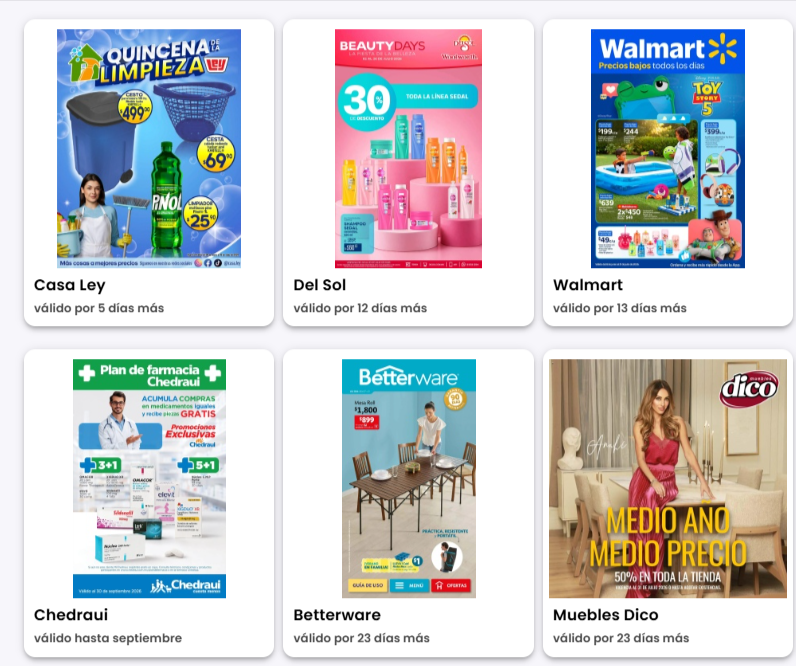
A new approach for the catalogs and promotions in Mexico and how they are transforming the way people shop. The new approach for catalogs and promotions in Mexico and how it’s changing the way people shop.
Long before the internet came into existence, families planned shopping visits to department stores and supermarkets on the basis of printed catalogs and weekly flyers. This habit never went away; it just went online.
These tools are now available in digital form, enabling customers to view multiple retailers’ weekly deals from a single screen. They can avoid the unknown of a discount appearing and make informed comparisons to fashion deals side by side to time their purchases around actual sales events.
How to Compare Prices without leaving home
It’s second nature to the online shopper to compare prices. With a few browser windows or one catalog site, a shopper can compare the cost of the same jacket or pair of shoes at various stores without having to make a trip.
This places additional pressure on retailers to sell at a fair price and make their value proposition more transparent. It’s hard to keep a markup hidden when it takes less than a minute to check three competitors.
Timing Purchases Around Sales Events
Major fashion sales peak on big shopping occasions such as major seasonal sales, back-to-school season, and end-of-season sales clearance. Marketers make major decisions about marketing plans months ahead of time around these dates.
Regularly choosing to shop weekly catalogs and promotions consistently is likely to contribute to a lower total amount of money spent. Delaying the purchase because it’s not yet the right time, but rather the right time, is a real savings over the year.
The Internet is having a personal touch to shopping
When you shop online, you don’t have to scroll through the same list everyone does. Platforms are becoming more and more sophisticated at spotting these small nudges and adjusting the content viewable to the shopper accordingly.
Smarter Product Recommendations
Today, a recommendation engine does part of what a helpful sales associate used to do. They recommend products from a visitor’s web browsing patterns, previous purchases, and sometimes even taste preferences the individual has established.
The more information the platform can gather about a user’s preferences, the more valuable their recommendations will be. If done right, it fosters trust; if done wrong, it is just a nuisance.
Virtual Fitting Tools: Solving a longstanding issue
The one thing that has always been the major hesitation of shopping for fashion online is the lack of the ability to try on clothes. New augmented reality technology enables consumers to see how a jacket, shoes, or glasses will look without ever leaving home.
While these tools can be improved, brands who use them effectively already have reduced returns. Less likely to return an item to the store if a shopper has a better fit sense before checkout.
Faster Trends Bring New Questions About Quality
Online shopping made the shortcut from the runway to the rack. It can take months for a trend to reach the stores today, but now it is possible to go from a viral clip to in-stock within weeks.
That pace is beneficial to buyers that would like a fresh appearance immediately. It has also posed tougher questions regarding the quality of clothes, factory working conditions, and the planet’s capacity to sustainably accept new goods.
But some consumers have begun to react by buying fewer clothes and higher quality, as opposed to a new flood of cheap merchandise. But those who fail to pay attention to that trend may end up losing the same customers who used to purchase the most.
Direct-to-Consumer Brands – Cut the Middleman
Some fashion companies have begun to sell directly to customers via their website and mobile app, eliminating the traditional retail markup. This is a way for smaller labels to compete with the big boys’ brands without taking up shelf space at a department store.
It can lead to more competitive pricing and a distinctive choice for customers. More brands can get closer to the customer base without even having to open a physical store.
Consumers are changing their buying habits
With the rapid growth of fast fashion through online shopping came platforms that concentrated on slowing it down. In addition to the fast fashion explosion, there has been a resale market, clothing rental services, and secondhand fashion apps that have emerged and developed in tandem.
A brand’s practices are considered before making a purchase, particularly by younger consumers. These days, many people consider resale a standard first choice instead of a last resort solution when worn out.
Sustainable Materials Are Becoming a Selling Point
Earlier, recycled fabrics, organic cotton, and clear supply chains were a specialty selling point. Now they appear in regular advertising, right next to the price and size guide.
Brands that tell where their garments are coming from and where they’re going after sale are able to gain more loyalty from shoppers who know where they come from. That change was not a result of new legislation. It was because consumers began to ask the question, and those brands that answered it well were rewarded.
Practical Ways to Shop Smarter Online
Regardless of the platform or retailer that your shopper chooses, a few habits make it easier and less expensive to shop online for fashion:
- Shop around; a few weeks of weekly catalogs should be enough.
- Don’t pay full price in haste, but wait for known sales times, such as big sales throughout the season or the end-of-season clearances.
- When looking at clothing, check out the sizing chart and the return policies; even from the image, it’s still the most difficult to determine fit.
- Try a few well-known brands or platforms rather than all the stores; it makes it difficult to keep up with too many promotions at once.
- Think about resale or renting for occasion wear used just once or twice.
- Get alerts for select favorites instead of discovering a promotion after it’s passed and knowing it had already happened.
Conclusion
The internet has revolutionized fashion, its dissemination, and its consumption. Gone are the days of being restricted to a standard shopping visit. mobile browsing, social media discovery, smarter recommendations, and even virtual fitting tools have all made their way into an everyday shopping experience.
It’s simple to notice in the way people use catalogs and promotions in Mexico to plan their purchases and make them go even farther. It all began with printed flyers on the kitchen table, and it’s just been taken to a new level on a phone screen.
As technology advances, fashion will continue to evolve, but the fundamentals remain the same. People are looking for convenience, good value, and security of purchase. It is companies like these that are keeping customers coming back through a good app, a transparent return policy, or a timely promotion. This is true for any business, whether it’s an international store or a local business new to online marketing.